
The history of Low Isles
From Captain Cook's 1770 log entry to the world's first coral reef study — Low Isles has played an outsized role in Australian history, science and maritime heritage.
Captain James Cook recorded the existence of Low Isles in 1770, describing "a small low island." What followed was centuries of remarkable history.
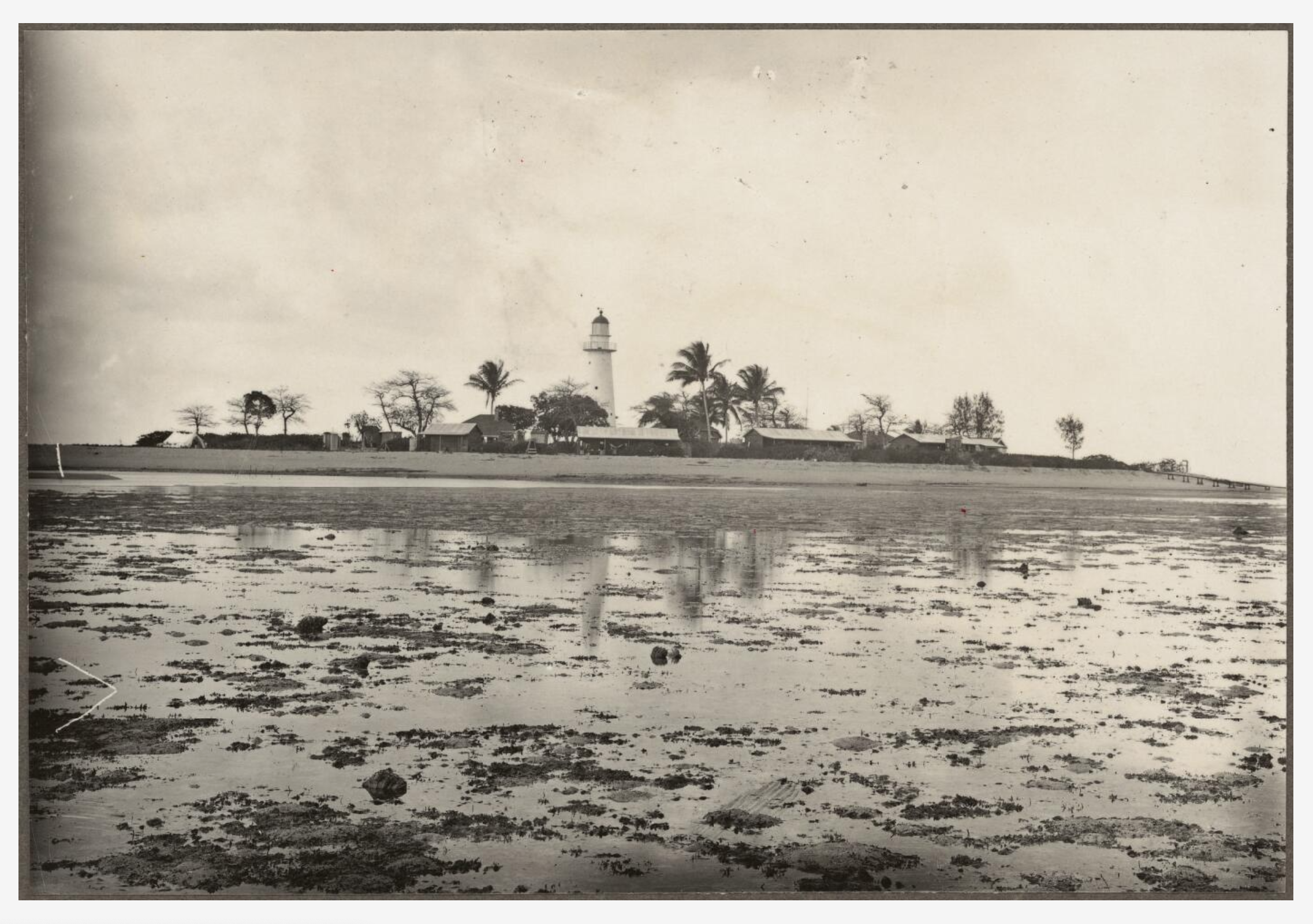
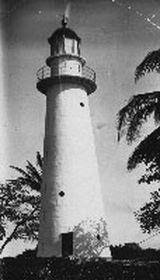
Officially named Low Isles in 1819, a lighthouse was built on the coral cay in 1878 — the tenth commissioned by the Queensland Government, helping create the longest shipping lane in the world. A continuous presence of lighthouse keepers remained until 1993 when the lighthouse was automated.
Low Isles holds deep cultural significance as Wungkun, an important Indigenous site for both the Kuku Yalanji and Yirrganydji peoples — long regarded as a peace island, a place to settle disagreements.
In 1928–29, Low Isles became the site of the first detailed scientific study of a coral reef anywhere in the world, led by Dr C.M. Yonge. It is one of the few coral reefs for which a long series of data exists, making it invaluable for contemporary reef research.


Wungkun — Indigenous Sea Country
An important cultural site for the Kuku Yalanji and Yirrganydji peoples. The sea country of both groups overlaps at Low Isles, long regarded as a peace island.
Captain Cook records the islands
On June 10, HMS Endeavour sailed past Low Isles. Cook noted "a small low island" at Latitude 16° 20' South.
Officially named Low Isles
Captain Phillip Parker King on the cutter Mermaid officially named Low Isles.
First reef study
Professor Beete Jukes conducted the first study of the Reef from survey vessel HMS Fly.
Lighthouse first lit
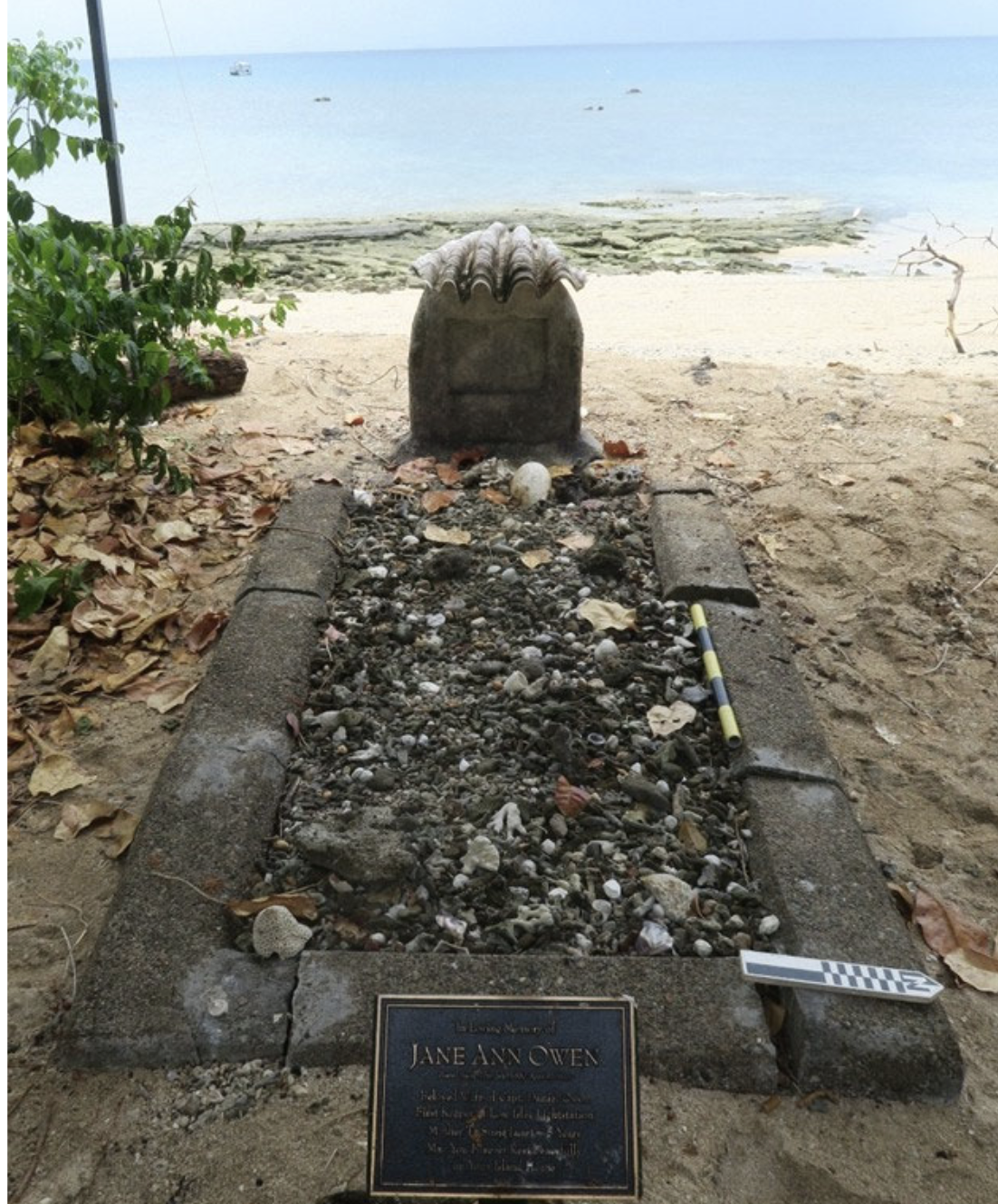
November 1878 — the 10th lighthouse commissioned by the Queensland Government. First keeper: Captain Daniel Owen. The original lens is now on display at the Court House Museum, Port Douglas.
The Hannah family disappears
March 19 — lighthouse keeper William Hannah, daughter Doris (14) and son William (10) went missing in a dinghy. Bodies found October 1911.
The Great Barrier Reef Expedition
July 16, 1928 — the world's first detailed scientific study of a coral reef began. Led by Dr C.M. Yonge, 23 scientists lived on Low Isles for 13 months. Results published in seven volumes by the British Natural History Museum.
Electric upgrade
The light was upgraded to electric operation and a new fibro boat house was built.
First daily cruise
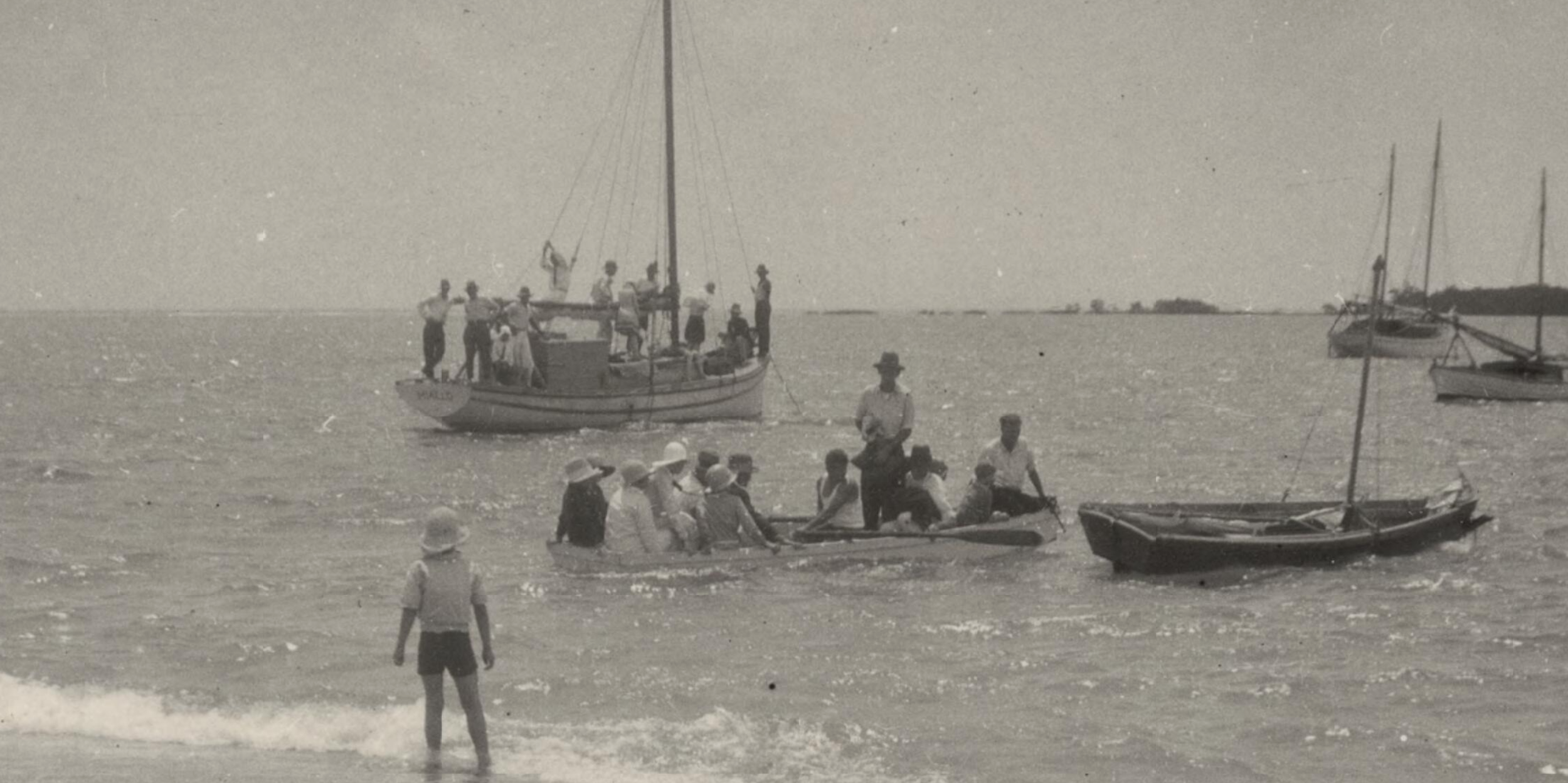
The first daily cruise to Low Isles began with the Martin Cash, owned by Jim and Jo Wallace.
World Heritage listing
The Great Barrier Reef was inscribed on the World Heritage List in recognition of its outstanding natural universal values.
LIPS founded
The Australian Maritime Safety Authority announced lighthouse automation. Over 200 community members rallied — LIPS was formed to protect the island.
Last lighthouse keeper leaves
LIPS initiated a volunteer marine ranger position. The first trainee rangers graduated in 1996.
Heritage Walk opened
March 6 — the Low Isles Heritage Walk was officially opened to visitors.
Timeline compiled by Pam Willis Burden, March 2006, for the Port Douglas Historical Society.