Become a LIPS volunteer
Help protect one of the Great Barrier Reef's most remarkable islands — as a relief caretaker, wildlife monitor, or conservation volunteer.
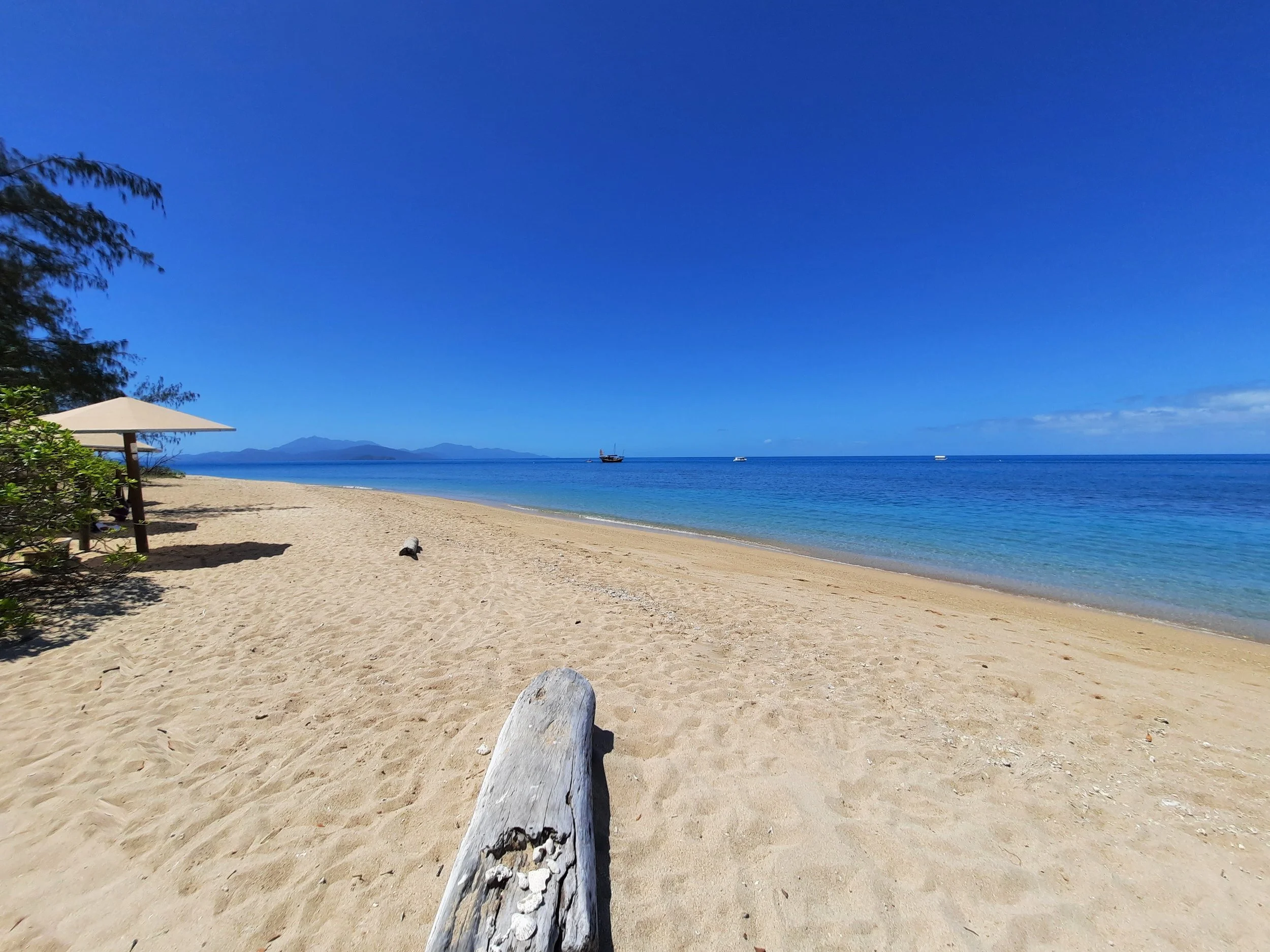
LIPS volunteers fill in as caretakers and help in day-to-day management of Low and Woody Island and their inner reef — experiencing wildlife, conservation and island life up close.
The Low Isles Preservation Society was formed in 1992 when the automation of the lighthouse left the island without a live-in caretaker. Members lobbied and secured a $1.5 million grant to establish a caretaker position and an Indigenous ranger program through GBRMPA and Queensland Parks and Wildlife Service.
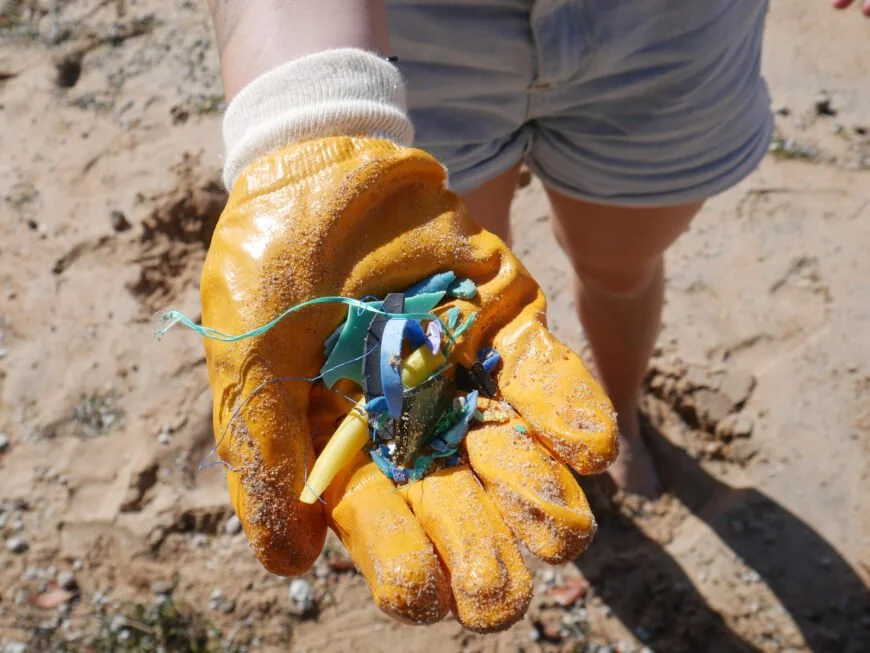
Today, LIPS volunteers continue as relief caretakers, participate in maintenance and restoration projects, conduct the iconic pied imperial pigeon counts, carry out beach clean-ups on Woody Island, and help with public contact for visitors to the isles.
Over the years, volunteers have had extraordinary experiences — watching wildlife, witnessing coral bleaching events and hard coral recovery, spotting rare species, and living simply in a remote, low-energy environment on one of the GBR's most special islands.
✉ Enquire about volunteering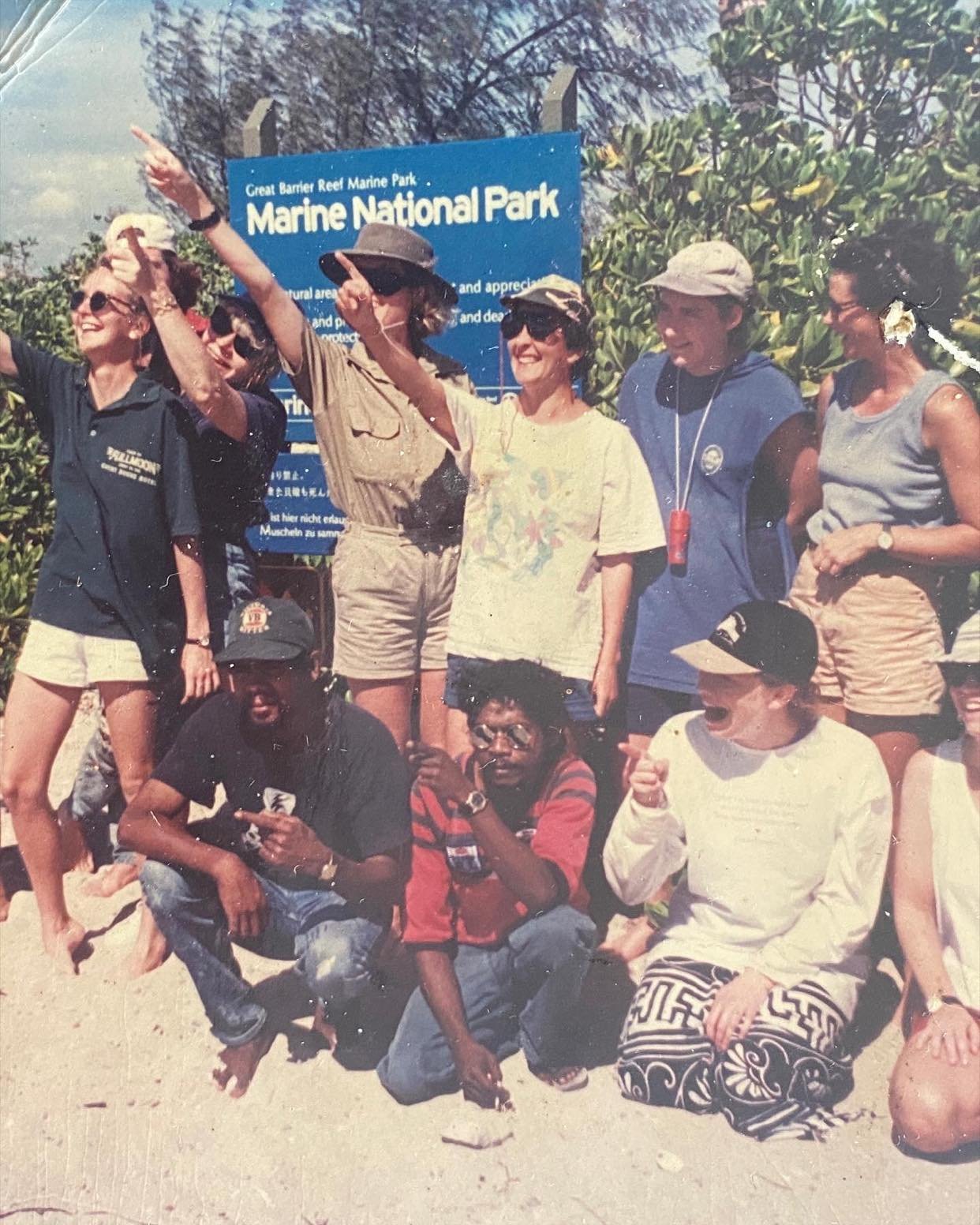
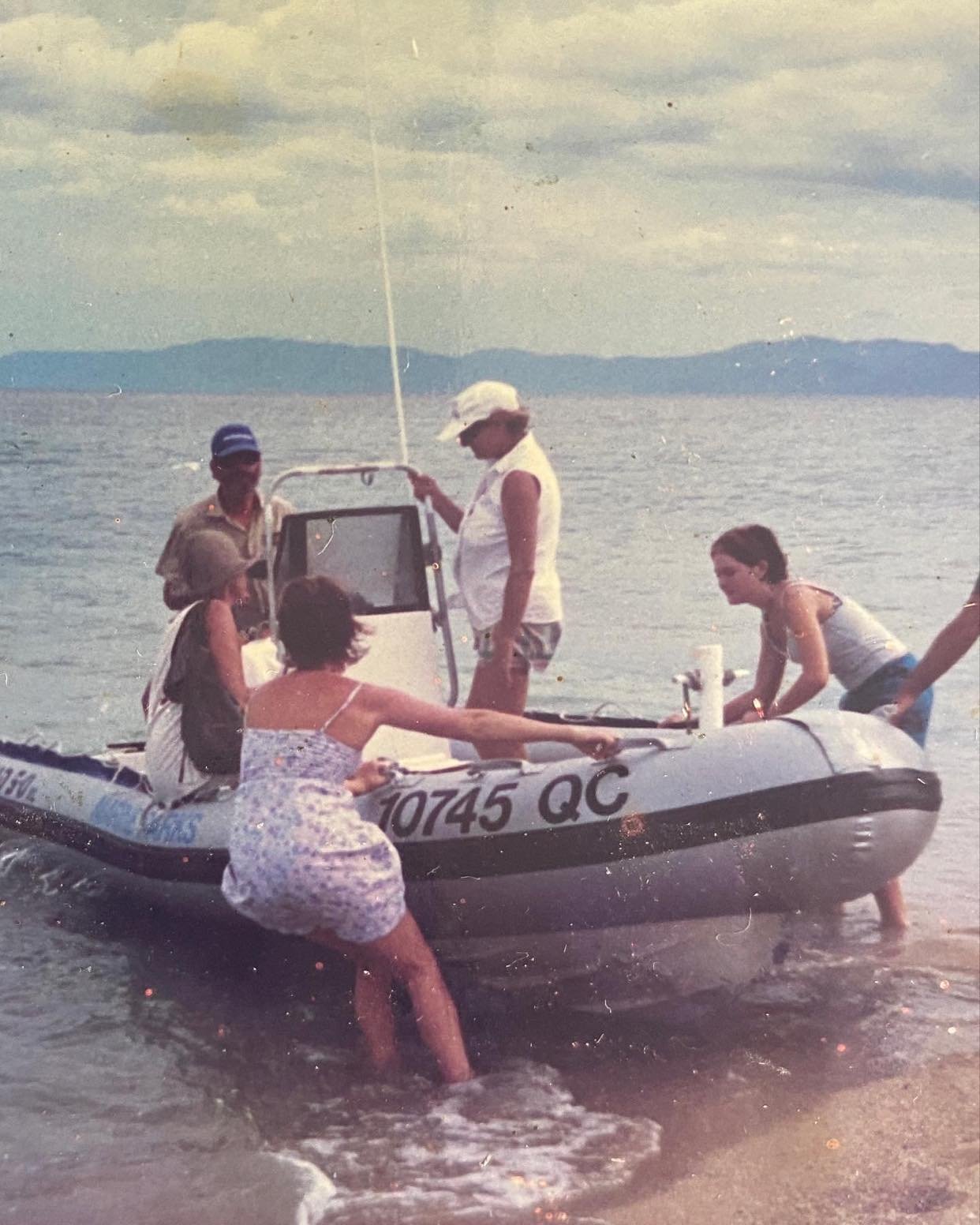
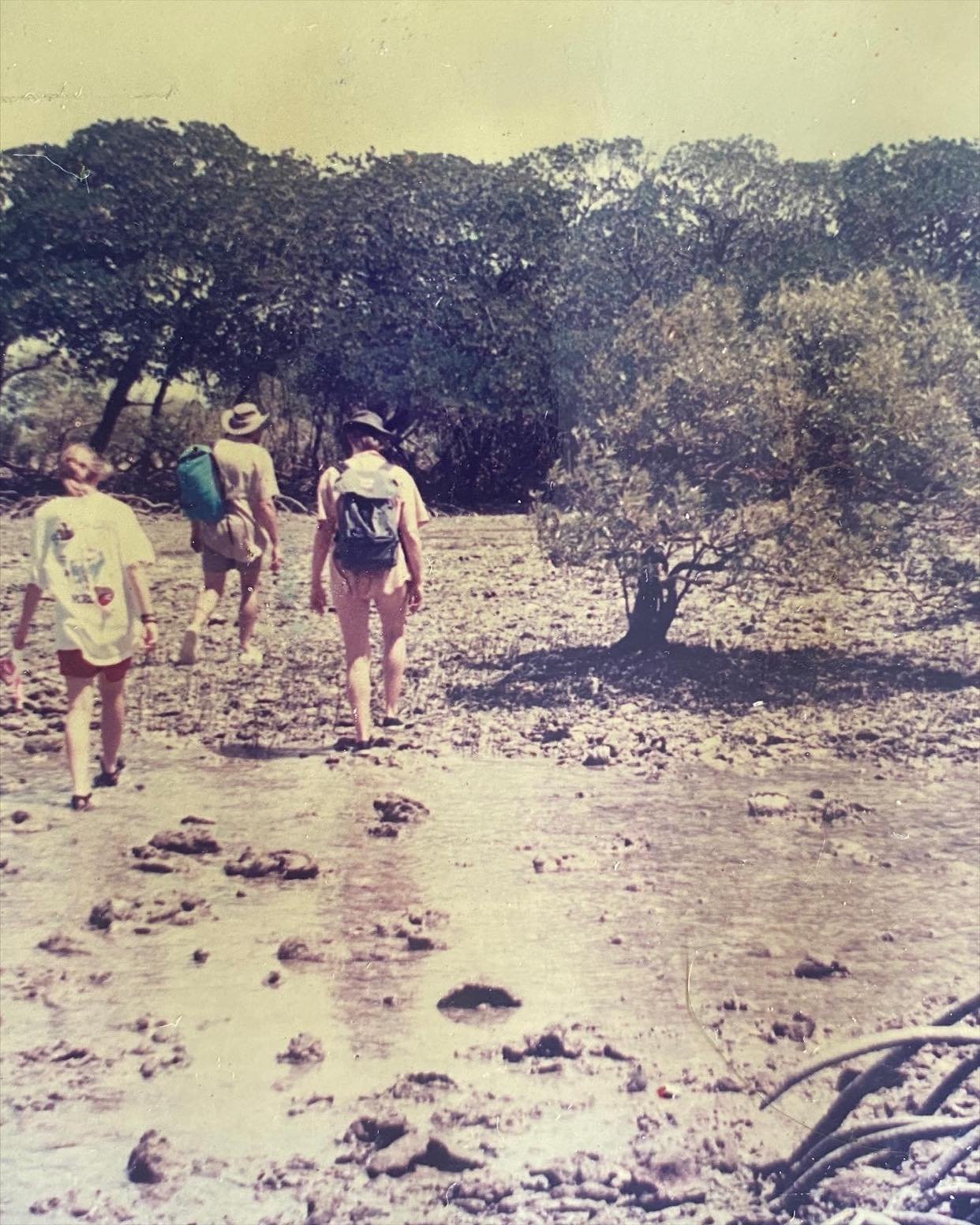
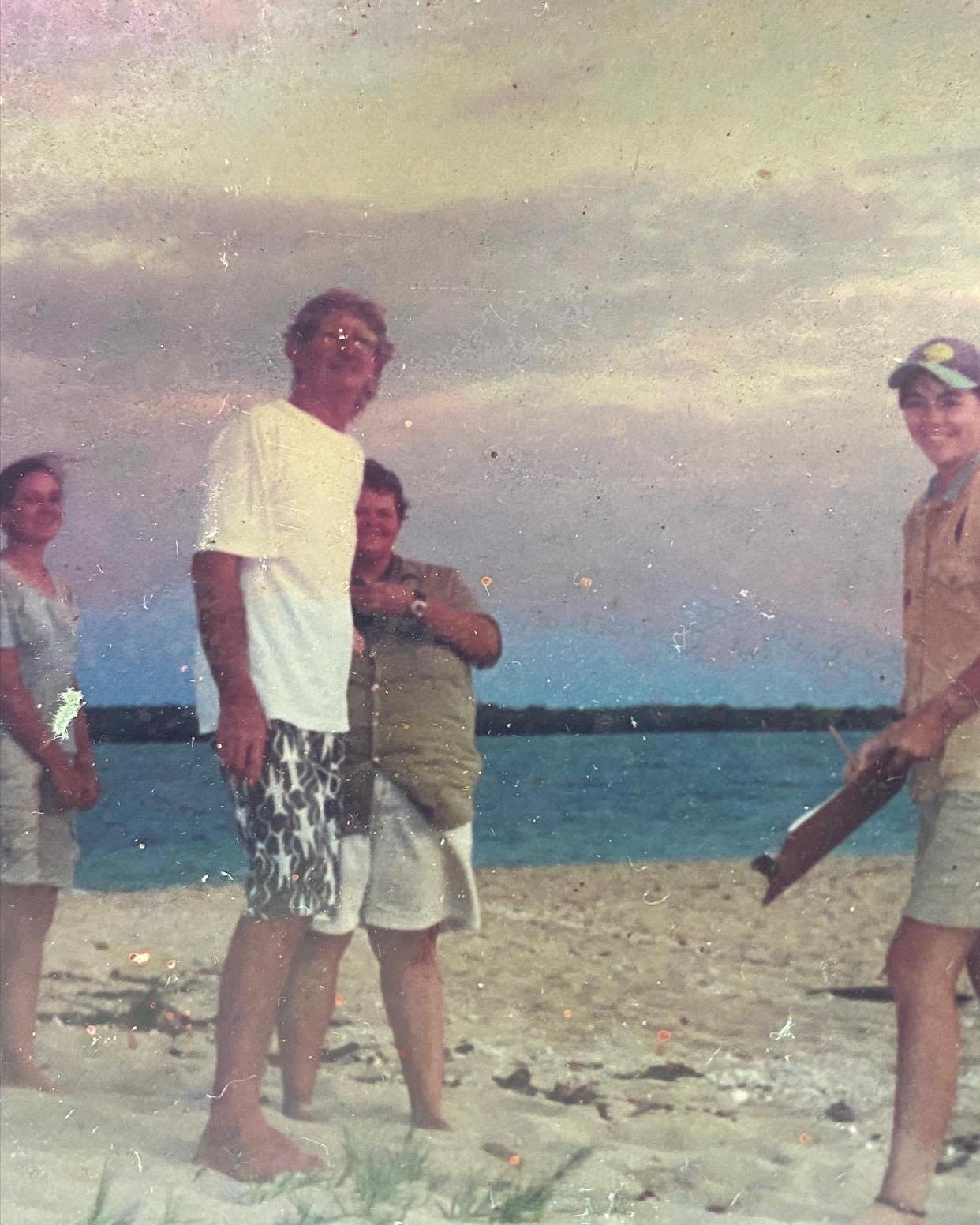
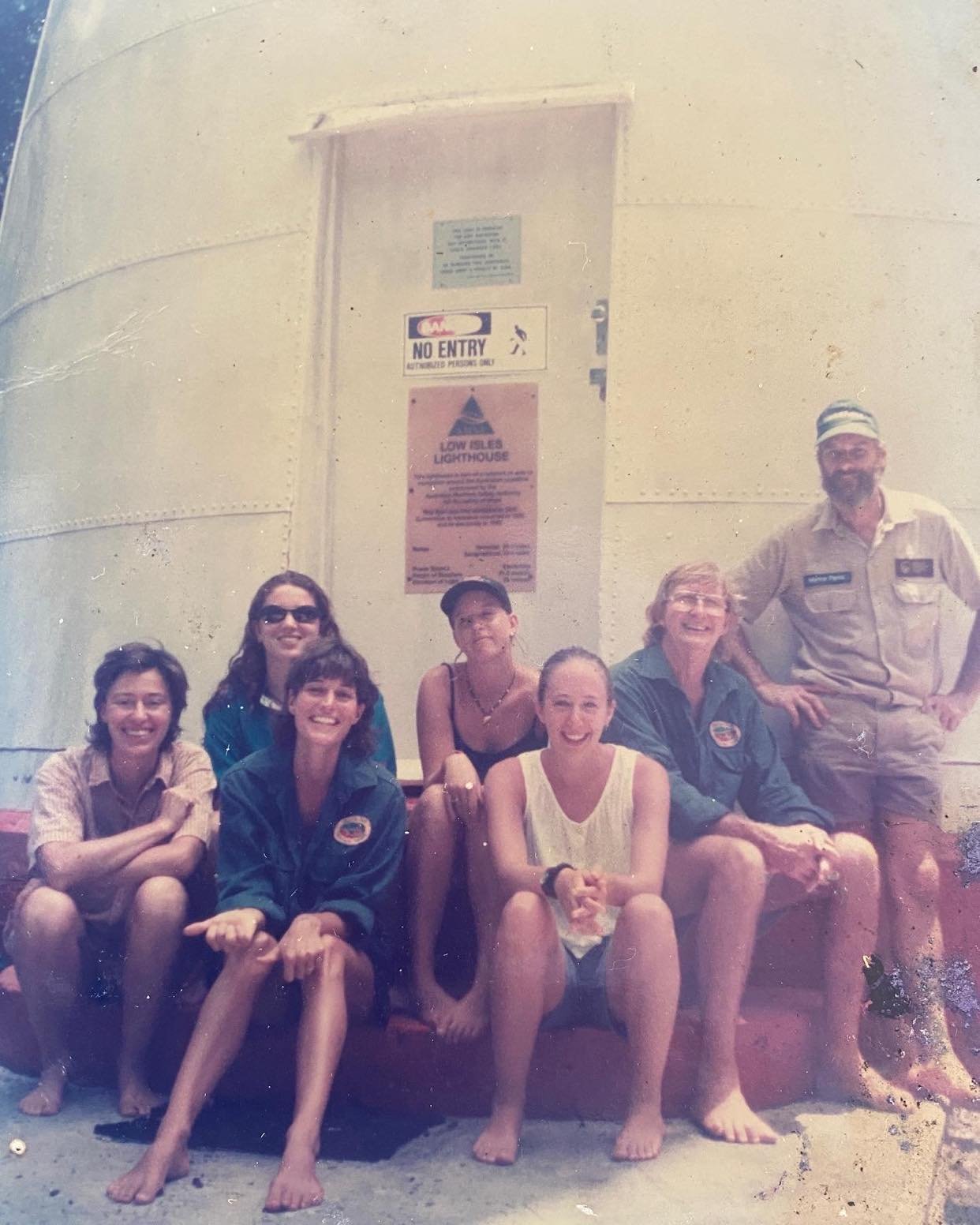
When Karri and Mark Colbridge spotted a rarely seen mimic octopus, it was a highlight of already hugely fulfilling volunteer roles with the Low Isles Preservation Society.
The pair was in shallow waters off Low Island and the tiny octopus was only the second to be documented in Australian waters. That was eight years ago, and it is also the last to have been officially recorded.
"It was a very low tide — we knew what a mimic looked like so we ran to get a camera," Mark recalls. "We watched until it scuttled over a bit of reef, jumped down a hole and disappeared. It was a lucky find for us."
The society's vice-president sees time on the Low Isles very much as a privilege. Preservation Society members fill in as caretakers and help in day-to-day management of Low and Woody Island and their inner reef — the site of the first detailed scientific study of a coral reef anywhere in the world.
The Isles are also one of the last major strongholds for Torres Strait pigeons nesting on the Great Barrier Reef, and one of three GBR locations where these migratory birds are counted on a regular basis.
"Woody Island is closed to the public between September and March, when the pigeons are there," Dr Colbridge said. "We help to protect these islands, their historical significance and the sea and bird life as much as possible. At the moment there is no paid caretaker, so we are the fill-in caretakers for a period. Over the years there has been weather reporting, general maintenance, beach clean-ups at Woody Island and public contact with people who visit the isles. Volunteers also help with the Torres Strait pigeon counting surveys."
The Low Isles are now "carbon neutral." "We watched water quality reduce in the lagoon area through coastal activities and an increase of tourists. Numbers are now strictly regulated, generators were decommissioned and solar panels installed."
Dr Colbridge says the isles and their sheltered lagoon are a feeding ground for a large population of turtles. "Over the years, our volunteers have had experiences watching wildlife, seeing things like coral bleaching incidents and hard coral recovery and also experiencing living in a low-energy climate."
Terrain NRM is a community-based membership organisation. Low Isles Preservation Society is one of 80+ members in a network of partners involved in natural resource management in the Wet Tropics.
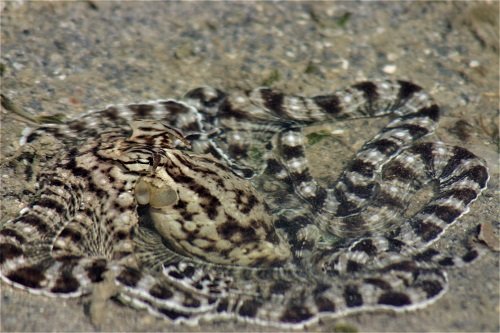
🐙 About the mimic octopus
A master impersonator — it can change its colouring to disguise itself, but more unusually can contort its body to take on the appearance of the lionfish, jellyfish, sea snake, shrimp and crab, rapidly switching between them to protect itself from predators. First discovered in 1998 off Sulawesi, Indonesia. Only two official sightings have been recorded on the Great Barrier Reef.
Ready to get involved?
Become a LIPS member to access volunteer opportunities and help protect Low Isles for future generations.
A peek at the experience of volunteering on Low Isles
With deep appreciation to our volunteers for taking the time and effort to compile this video.