
Science & conservation at Low Isles
Low Isles has been at the centre of coral reef science for nearly a century. LIPS supports and facilitates ongoing research, monitoring and citizen science programs on Wungkun.
Low Isles is part of a network of six island research stations integral to scientific activity across the Great Barrier Reef.
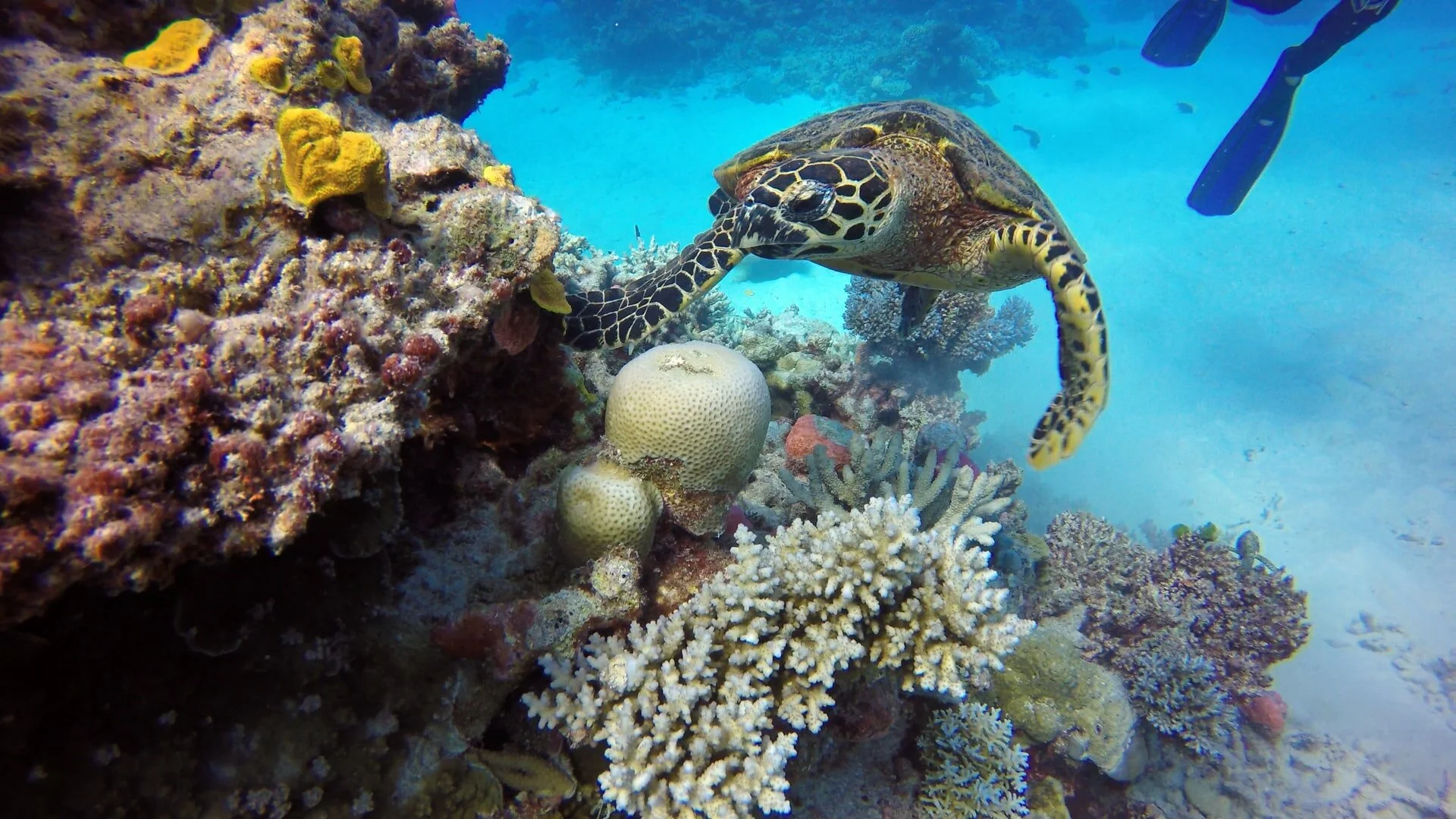
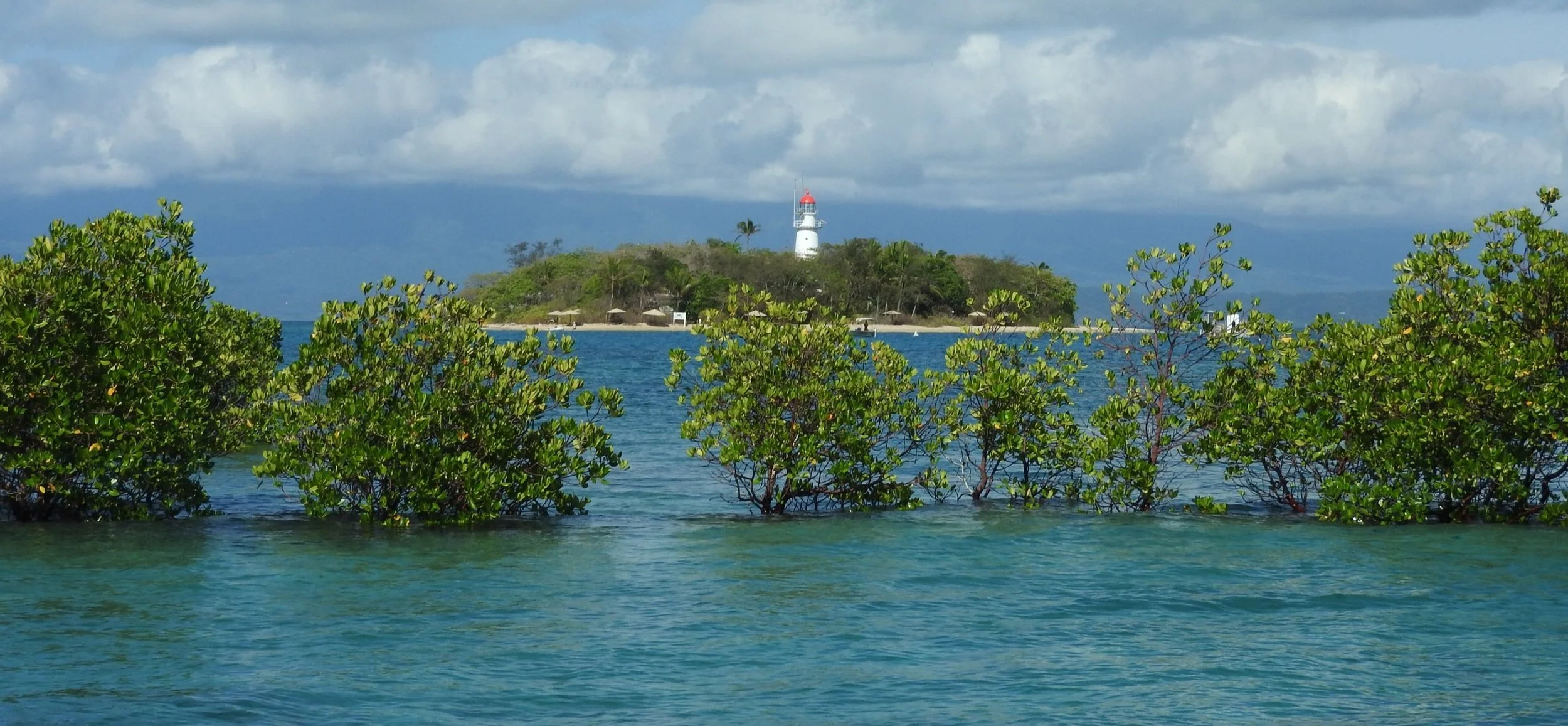
The area supports a diverse range of flora and fauna across several discrete habitats. The combination of coral cay and mangrove island is unique to the Great Barrier Reef, and the lagoon provides an excellent refuge and feeding ground for a large population of adolescent turtles.
The first formal scientific investigations began in the late nineteenth century, followed by long-term field studies by the Royal Society of London and the landmark British-Australian Great Barrier Reef Expedition of 1928–1929. This laid the foundation for modern coral reef science worldwide — and Low Isles remains an active research site to this day.
LIPS volunteers and partners conduct long-term monitoring programs that generate data of real scientific value for the reef and its wildlife.
Low Isles Interpretation Redevelopment Project
How do you celebrate the heritage of a historic lightstation and the pioneering coral reef research of 1928–29 in the world's tiniest museum space? Follow our latest updates to find out.
📖 View latest update
View on mobile
Scan the QR code to read the Interpretation Centre update on your phone.
Who we work with
LIPS collaborates with leading organisations to maximise the impact of conservation and research at Low Isles.
Great Barrier Reef Legacy
A non-profit research, education and multi-media organisation partnering with LIPS on reef preservation and education programs.
- "Reef in a Box" educational kit for local schools
- Far North Super Coral expedition video links
- Research connections for the 1928/29 expedition anniversary
Tangaroa Blue Foundation
Australia-wide not-for-profit dedicated to the removal and prevention of marine debris. LIPS works with Tangaroa Blue on ongoing clean-up and data collection.
- Annual Woody Island clean-up
- Monthly marine debris data sheets submitted to national database
- Local clean-up events at Cape Kimberley, Yule Point & Snapper Island
Eye on the Reef
GBRMPA's official citizen science program for reef users. LIPS volunteers participate in Tourism Weekly Monitoring, Rapid Monitoring and the Sightings Network.
- Tourism Weekly Monitoring surveys
- Rapid Monitoring of coral health indicators
- Crown-of-Thorns starfish reporting via sightings app
Citizen science opportunities
You don't need to be a scientist to contribute to reef research. Here's how anyone can help.
Pigeon count volunteer
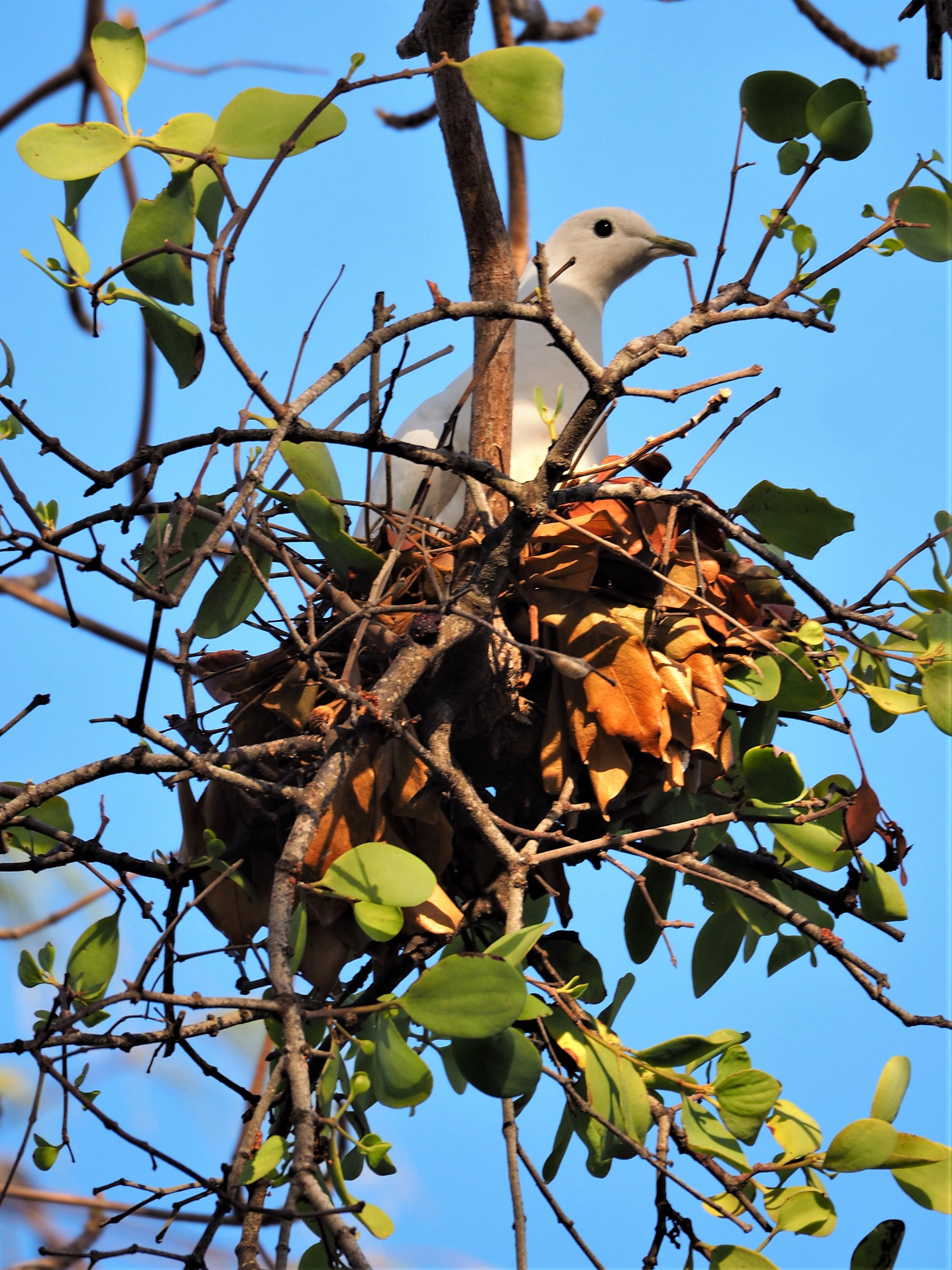
Join LIPS volunteers for monthly PIP counts on Woody Island during nesting season (September–March). Training provided.
Find out how to volunteer →Eye on the Reef sightings
Report reef observations — including Crown-of-Thorns starfish — directly from your phone using the GBRMPA sightings app. Open to everyone.
Download the app →Herbarium & seed study
LIPS is seeking support for a new comparative plant survey and PIP diet study to update research from the 1990s. Interested? Get in touch.
Contact us →iNaturalist — Low Isles
Log a wildlife sighting at Low Isles using the free iNaturalist app. Every photo contributes to a growing species record for the reef, verified by a global science community.
View Low Isles on iNaturalist →