Green turtle research at Low Isles
Low Isles provides critical foraging habitat for green turtles — and has been the site of pioneering research into turtle movement and genetics.
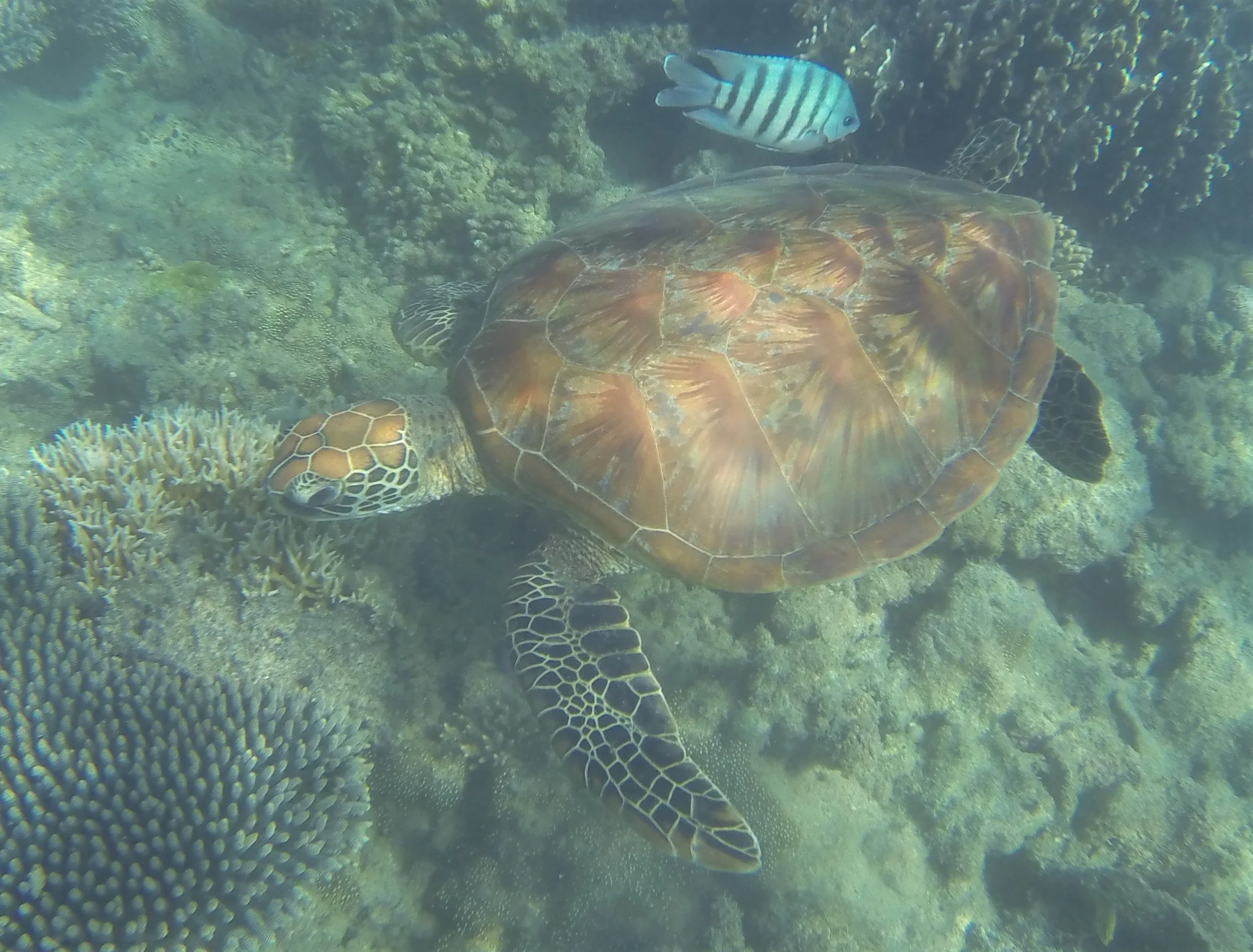
The sheltered lagoon at Low Isles provides an excellent refuge and feeding ground for a large population of adolescent green turtles (Chelonia mydas).
Dr Julia Hazel of James Cook University led a multi-year turtle research project at Low Isles that produced findings of significant conservation value. The research confirmed the near-continuous presence of the same individual turtles within a small geographic area — a finding particularly relevant for turtle conservation management.
The study also provided the first home range estimates for green turtles foraging at offshore tropical reefs, published in 2013 through JCU's Research Online.
A second component comprised DNA sampling, contributing to a wide-scale study of genetic links between green turtle nesting and foraging grounds. This analysis remains ongoing.
What the research found
Fine-scale movement tracking
Using underwater acoustic transmitters and receivers, researchers tracked individual turtles at Low Isles over multiple years. The study confirmed the near-continuous presence of the same individual turtles within a small geographic area — a critical finding for understanding how turtles use reef habitats and for designing effective conservation zones.
First offshore home range estimates
The research provided the first home range estimates for Chelonia mydas foraging at offshore tropical reefs. Understanding the size and fidelity of home ranges helps managers assess the adequacy of marine protected areas and the potential impact of human activity on foraging turtles.
DNA sampling & genetic links
A second component of the JCU research at Low Isles comprised DNA sampling of individual turtles, contributing to a wide-scale study examining genetic connections between green turtle nesting and foraging grounds across the GBR and beyond. This analysis is still in progress.
Conservation significance
The combination of site fidelity and small home ranges means the turtles at Low Isles are particularly vulnerable to localised human disturbance. These findings directly support the case for protective management of the Low Isles lagoon as critical green turtle foraging habitat.
Fine-scale movements of green turtles at Low Isles
The findings from the JCU tracking study were published in 2013 through JCU Research Online — the first published home range estimates for green turtles foraging at offshore tropical reefs.
Hazel, J. (2013). Turtle movement research at Low Isles. JCU Research Online.
📄 Read the paperPublished home range estimates for green turtles foraging at offshore tropical reefs worldwide
Why Low Isles matters for turtles
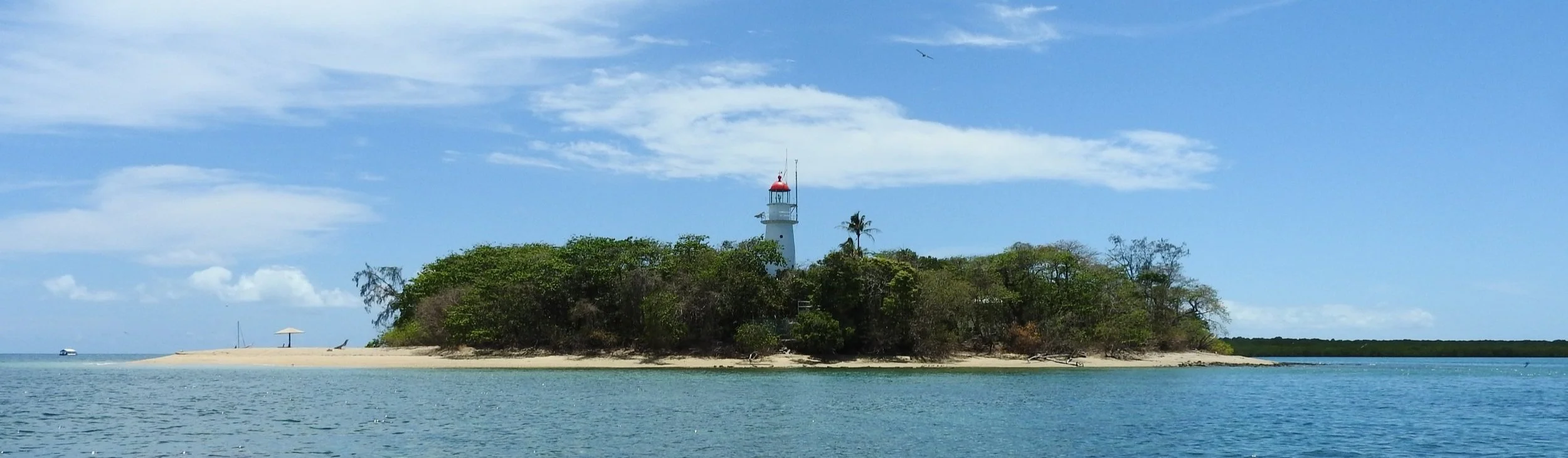
The hook-like shape of Low Isles creates a sheltered lagoon that is unique on the Great Barrier Reef. This calm, protected water provides ideal conditions for adolescent green turtles — offering abundant seagrass and algae for feeding, protection from open-water predators, and stable conditions for extended foraging periods.
With visitor numbers to Low Isles exceeding 50,000 per year, understanding how turtles use this space is critical to managing human-wildlife interactions and ensuring the lagoon remains viable foraging habitat for future generations.